Treat your heel pain without orthotics
New Patient Heel Pain Assessment
Only $40* Usually $100
*Claimable on your private health insurance

Heel pain is a very common complaint among people experiencing foot pain. In fact, up to 80% Australians will suffer with this form of pain at some stage of their life. Most heel pain treatment options are restrictive, impacting on your daily lifestyle and activity and requiring expensive orthotics or medication. While Plantar Fasciitis is the most common form of heel pain, we provide treatment for all heel and foot related conditions.
Alternative Foot Solutions has successfully treated over 10,000 patients suffering from heel pain, plantar fasciitis, heel spurs, achilles tendonitis and severs disease, using conservative methods, for over 16 years. You don’t have to change your activity during this process and you can still do the things you love — plus, you won’t be stuck with orthotics!
We provide podiatry treatment and care for communities throughout Sydney including Sydney CBD, Northern Beaches, Fairlight, Queenscliff, Brookvale, North Balgowlah and Manly from our clinic located in Manly Vale.
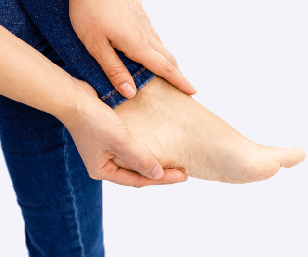
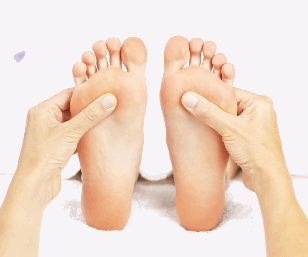
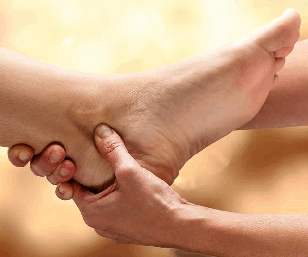
Plantar Fasciitis is caused by micro tears along your plantar fascia, the band of tissue that runs from the base of your heel, through the arch of your foot and into your toes. Although the plantar fascia is made from very tough and robust material it absorbs a lot of force from regular use, making plantar fasciitis a very common condition. Our treatment of plantar fasciitis uses a natural approach designed to relieve the symptoms of plantar fasciitis in the long term through hands-on manipulation, a simple home exercise program and strengthening of the muscles surrounding the plantar fascia.
The Achilles Tendon is a band of connective tissue that attaches the calf muscle to the heel bone and is used frequently in everyday activities such as walking, running and standing on your toes. Achilles tendonitis occurs when this tendon experiences inflammation, through micro tears, causing pain when the tendon is lengthened. We assess the cause of your achilles tendonitis so we can tailor a treatment program to the exact cause, providing pain relief and allowing the tendon to heal.
A heel spur refers to the bony spur that forms on the base of the heel around the point where the plantar fascia attaches. While heel spurs are commonly referred to by medical practitioners, this is often misdiagnosed and plantar fasciitis that is the actually the underlying cause of the symptoms.
Severs Disease, contrary to its name, is not a disease but rather an extremely common growth disorder that affects adolescent boys and girls between the ages of 8 to 12, sometimes known as growing pains. Treatment for Servers Disease allows your child to avoid significant discomfort and remain active.
Welcome to Northern Beaches Heel Pain Clinic; the first concern here is your foot condition. You are in the right location if you suffer heel pain, plantar fasciitis, or persistent foot discomfort. Being Sydney’s committed heel pain specialist, we provide personalised, evidence-based treatments that fit your specific requirements.
Our staff of experienced foot pain podiatrist Sydney is dedicated to safely and fast getting you back on your feet. Whether your foot-related issue is plantar fasciitis, ongoing heel pain, or another one, our all-encompassing approach ensures the best potential outcome.
Using the most modern diagnostic tools and efficient treatments, Northern Beaches Heel Pain Clinic will not only reduce the symptoms but also solve the underlying cause of your pain. Knowing how bad foot pain may be, our team is here to provide quick answers with a compassionate approach.
Don’t allow foot pain not to stop you from enjoying your daily life. Explore our heel pain experts right now to start your journey towards recovery. Here we are to help you to live pain-free and walk naturally once again. We can do this without orthotics and you can still go barefoot and remain active through out the process.
We are confident that you will be more than satisfied with your treatment. In fact, we promise a full refund and we will cover the cost of your next session if you are unhappy with our service.
Shop 1, 228 Condamine Street,
Manly Vale NSW 2093








*Claimable on your private health insurance